Skin problems can range from simple rashes to conditions that lead to chronic discomfort and self-consciousness. Acne is a common problem, not only in adolescents, but also in adults. Rosacea is a condition that often has symptoms that look similar to acne, but it has different causes and features. Understanding the difference between these two conditions can help you to get the right treatment for your needs.
What Is Acne?
Acne vulgaris, generally referred to simply as “acne,” is caused by excess oil production that clogs in the hair follicles in the skin. Symptoms can be mild or severe, with whiteheads, blackheads, tender pimples and pus-filled lumps below the surface of the skin. As a result, the skin surface can have a reddened appearance, much like rosacea, but the redness is caused by inflammation of the tissues, and not from the appearance of blood vessels on the skin. Acne can be a stubborn problem that requires ongoing medical treatment. Some of the causes for excessive oil production include hormones, diet, stress and certain medications, such as corticosteroids, lithium and testosterone. Hormonal changes of puberty are the greatest cause, however, genetic factors may play a part in developing acne. Contact with oily compounds and stress can also may cause acne.
What Is Rosacea?
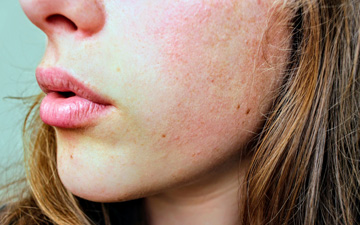
Rosacea is a skin disorder that causes redness across the face, visible blood vessels and pus-filled bumps on the surface of facial skin. Heredity and environmental factors are the most common causes of rosacea. Rosacea often affects middle-aged women and individuals with light skin, but it can also occur in others. Rosacea can thicken the skin on the nose, making it appear larger. Some individuals may have problems with rosacea on the eyelids, dryness of the eyes and irritated eyes. A number of different factors can cause rosacea to flare, including hormonal changes, exercise, alcohol, spicy foods, sun exposure and temperature extremes.
Diagnosing Rosacea and Acne
Although these two skin conditions might present similar symptoms, they are quite different in their causes. Therefore, an accurate diagnosis is critical to beginning the proper treatment. Acne is diagnosed by a simple visual inspection of the skin. Rosacea may also be done by visual inspection, but your doctor may want to do other medical tests to rule medical conditions that produce similar symptoms, such as lupus or allergic reactions.
Treatments For Acne
The choice of treatment for acne will depend on the patient’s age and the severity of the problem. There are short and long term medications available to reduce the severity of acne outbreaks. For some, hormonal therapy may be a treatment option. Light and laser therapy may also help reduce outbreaks and improve skin condition. Antibiotics are sometimes prescribed to reduce infection of pustules. Dermatologists can also do extraction of clogged pores to improve the skin appearance. If you are pregnant or planning to get pregnant, speak with a doctor before treating medication because some acne medications can hurt the developing fetus.
Treatments For Rosacea
Rosacea can present differently for each individual. Dermatologists can help you to find the triggers causing your symptoms to flare up, to help reduce redness and breakouts. You should also use sun protection every day to help avoid reactions to UV exposure. Prescription medications are available that can help to reduce redness. Like with acne, laser or light-treatments can help to reduce redness. Retinoids, antibiotics, sulfur compounds and laser or light therapy also help to reduce breakouts. If a thickening of the skin has occurred, there are medications to prevent further damage. Surgery may be necessary to improve the appearance of thickened skin.
Dr. Kaplan and the team at Adult & Pediatric Dermatology are committed to providing individualized care for all their patients in Overland Park, KS and surrounding areas. Call us today to schedule an appointment to enjoy healthier skin and a better appearance.